Introduction to the concept of freedom of expression
Freedom of expression is a cornerstone of democracy, a vital thread woven into the fabric of American society. It allows individuals to voice their opinions, share ideas, and challenge injustices without fear of retribution. But how does this fundamental right manifest in everyday life? One striking way is through the right to protest—a powerful tool for citizens seeking change. From historic marches that have shaped our nation to contemporary movements igniting social dialogue, the ability to gather and express dissent remains critical. As we explore the intricate relationship between freedom of expression and the right to protest in the United States, it becomes clear that these rights are not just legal protections; they are essential for nurturing a vibrant democracy where every voice counts.
The First Amendment and its protection of free speech and assembly
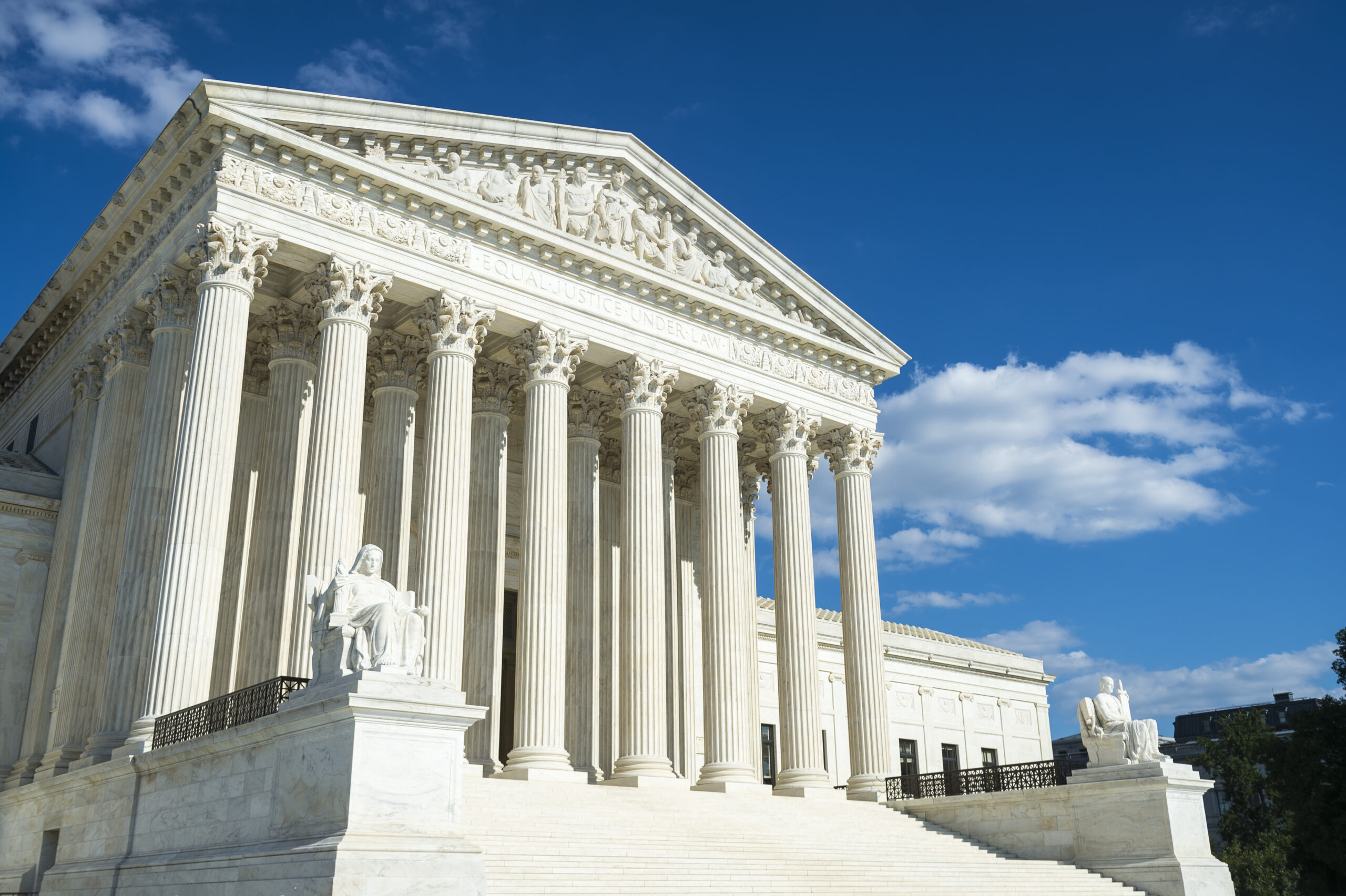
The First Amendment is a cornerstone of American democracy. It guarantees the right to free speech and peaceful assembly, allowing citizens to express their opinions without fear of government retaliation.
This constitutional protection empowers individuals to voice dissent and advocate for change. Whether through protests, rallies, or artistic expression, the ability to speak freely is vital for societal progress.
The amendment also ensures that people can gather peacefully. This right has been instrumental in mobilizing communities around crucial issues like civil rights and social justice.
However, this freedom comes with responsibility. While it protects diverse viewpoints, it does not shield incitement or violence. The balance between safeguarding free expression and maintaining public order remains an ongoing debate.
As society evolves, so too do interpretations of this critical amendment. Its relevance continues to shape conversations about what it truly means to be free in the United States today.
Case studies of famous protests in U.S. history
The American landscape is dotted with powerful protests that shaped the nation’s identity. The Civil Rights Movement of the 1960s stands out as a monumental struggle for racial equality. Iconic moments, like Martin Luther King Jr.’s “I Have a Dream” speech during the March on Washington, galvanized an entire generation.
Another significant event was the Stonewall Riots in 1969, which marked a pivotal moment for LGBTQ+ rights. This uprising challenged societal norms and ignited activism across the country.
In recent years, movements such as Black Lives Matter have emerged in response to systemic racism and police brutality. Protests following high-profile incidents have sparked nationwide discussions about justice and accountability.
Each of these cases illustrates how collective voices can challenge authority and drive societal change. They remind us that protest is not just an act; it’s a vital expression of freedom woven into the fabric of American democracy.
Current state of freedom of expression and protest in the United States
Today, the landscape of freedom of expression in the United States is both vibrant and complex. Voices across various platforms resonate with calls for justice and change, highlighting a passionate engagement with civic rights.
Yet, this spirit faces hurdles. Recent years have seen increased scrutiny around protests, particularly those addressing sensitive social issues. Law enforcement actions at demonstrations often raise questions about excessive force and accountability.
Social media also plays a double-edged role. While it amplifies messages quickly, misinformation can spread just as fast. This creates challenges for activists trying to maintain clarity in their cause amidst noise.
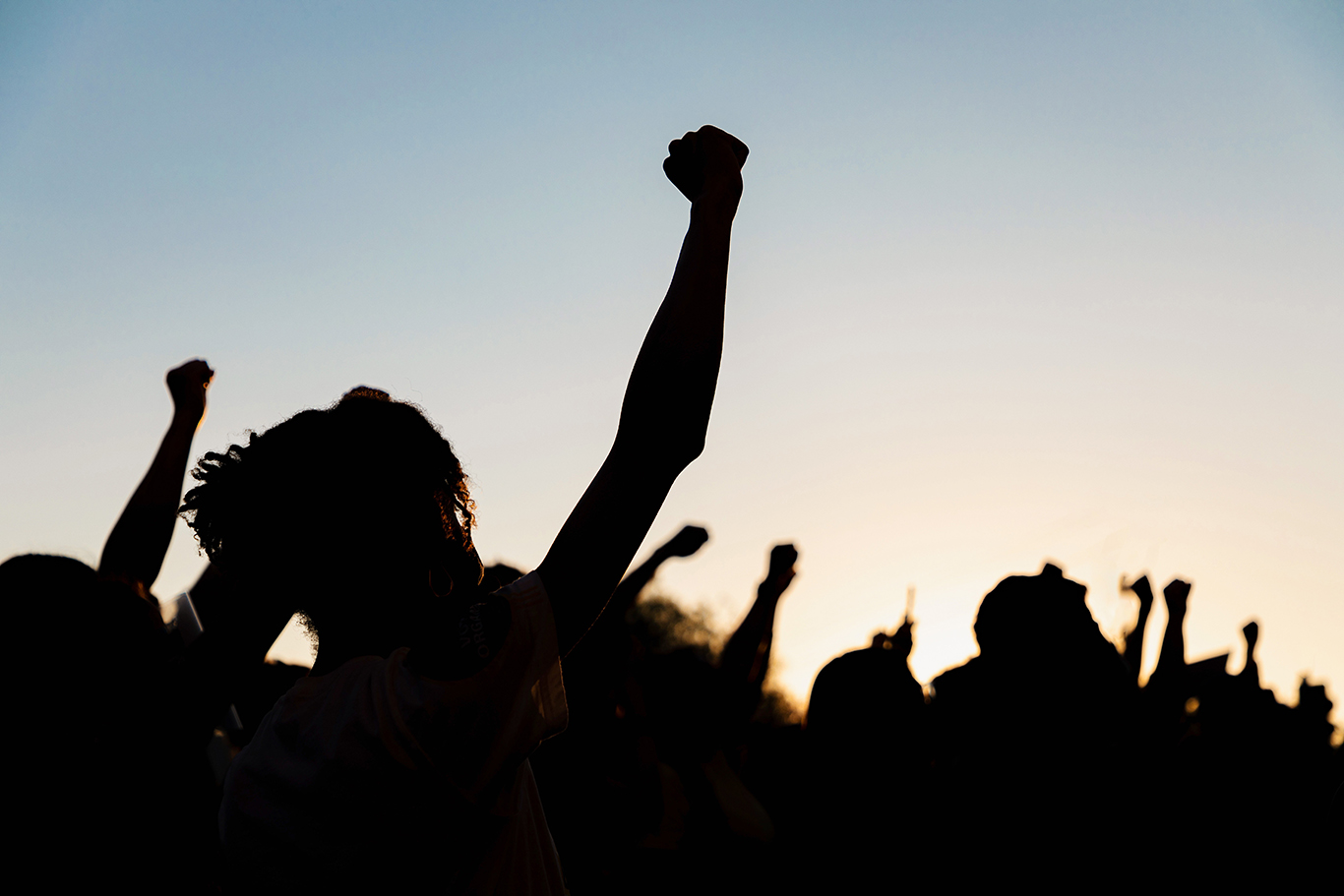
Despite these tensions, people continue to gather peacefully in public spaces to express dissent or support causes close to their hearts. The right to protest remains an essential aspect of American democracy, reflecting ongoing struggles for equality and justice throughout history.
Challenges to freedom of expression, such as censorship and restrictions on protest
The landscape of freedom of expression in the United States is not without its challenges. Censorship remains a pervasive issue, impacting various platforms and communities. From books being banned in schools to social media posts being flagged or removed, voices are often silenced.
Restrictions on protests further complicate the matter. Local governments sometimes impose curfews or require permits that can stifle spontaneous demonstrations. Such regulations may create barriers for those wishing to exercise their right to protest effectively.
Moreover, there’s an ongoing debate over what constitutes acceptable speech versus hate speech. This gray area can lead to inconsistent applications of laws governing free expression.
As societal tensions rise, the struggle for maintaining open dialogue becomes ever more critical. Each challenge faced can reshape our understanding of rights granted by the Constitution and influence future generations’ ability to speak freely.
The role of social media in modern day protests
Social media has transformed the landscape of modern protests. Platforms like Twitter, Facebook, and Instagram enable rapid information sharing and mobilization.
Activists can communicate instantly with supporters. They organize events, share messages, and amplify their voices to a global audience.
Hashtags have become powerful tools for raising awareness. Movements gain traction as users rally around specific issues or causes. This visibility often leads to greater public engagement and support.
Moreover, social media serves as a platform for documenting events in real time. Videos and images capture moments that traditional news outlets may overlook. This citizen journalism plays a crucial role in shaping narratives surrounding protests.
However, the influence of social media is not without challenges. Misinformation can spread quickly, potentially undermining movements or creating confusion among participants. Balancing its power requires vigilance from both activists and platforms alike.
Conclusion: Importance of protecting the right to protest for a healthy democracy
The right to protest is a cornerstone of democracy. It enables citizens to voice their opinions and stand up against injustice. Throughout history, protests have sparked change, reflecting the evolving values of society.
Protecting freedom of expression ensures that diverse voices are heard. This fosters dialogue and encourages progress. When people feel safe to express dissent, it strengthens democratic ideals.
As we navigate complex issues today, maintaining this right becomes even more critical. The ability to assemble peacefully and advocate for change empowers communities and individuals alike.
A healthy democracy thrives on participation from its citizens. Vigilance in safeguarding the right to protest not only honors past struggles but also paves the way for future generations seeking justice and equality in an ever-changing landscape.